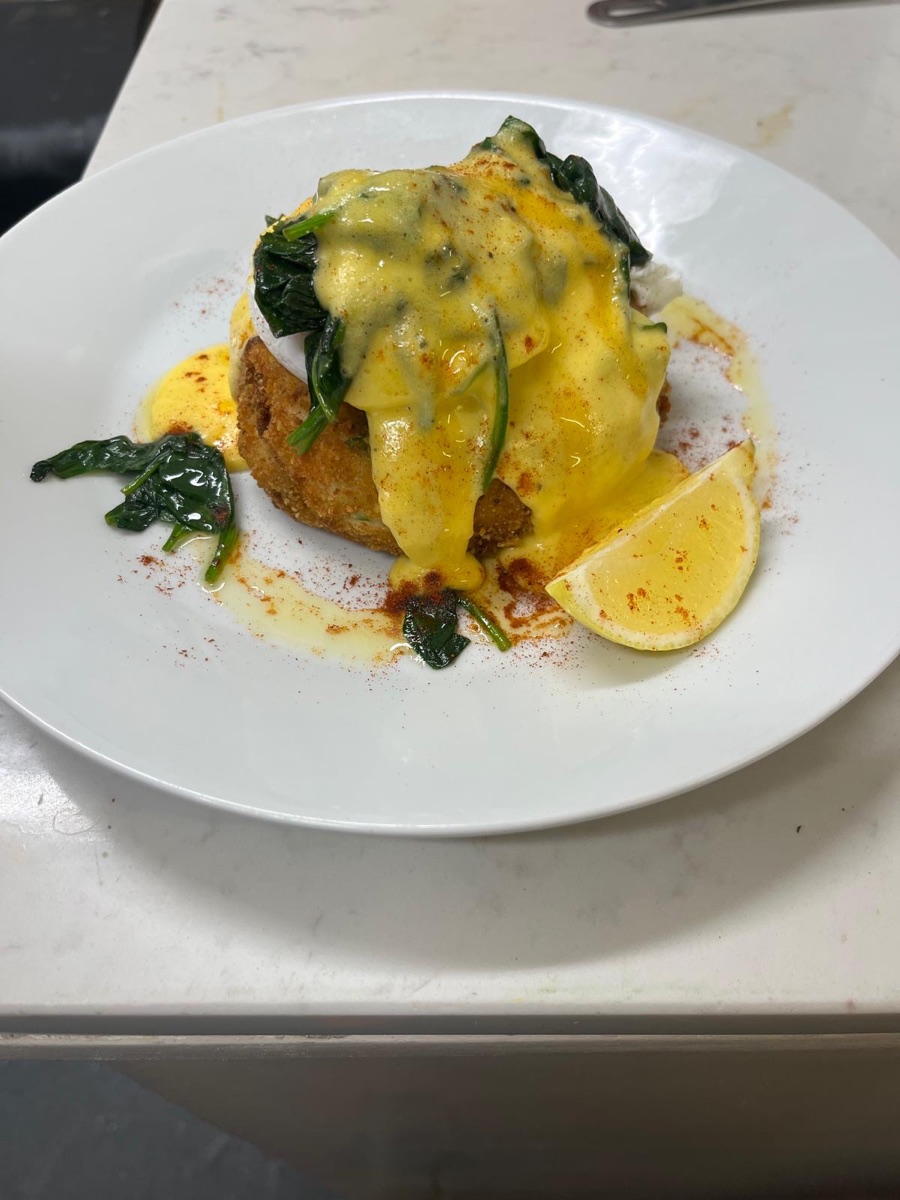
Breakfast

Greenwich · South East London
The people behind it
Debora
Co-owner & Joint Head Chef
She believed a great park deserved a great cafe. Runs the kitchen with Gary and still makes the cakes on Friday.
Gary
Co-owner & Joint Head Chef
Runs the kitchen and the pass. Ask him about the daily specials.
★★★★★
"Saturday mornings here have been our family ritual for three years. The kids know the staff by name. So does the dog."
Sarah M.
Regular since 2021
★★★★★
"I work from here two mornings a week. The flat white is the best in SE10. The walls help you think."
James T.
Remote worker
★★★★★
"After my Sunday run, this is the only place I want to be. The Full English is non-negotiable."
Marcus L.
Runner · Sunday regular
★★★★★
"Honestly one of the best cafés in London. The food is always excellent, the staff wonderful. I almost don't want to share this secret wonder of south London."
Harry Ewart
Verified review · Google
★★★★★
"Hidden away and only known to locals. The chicken burger was cooked to order, freshly made. Highly recommended — will definitely be back!"
Hugh Barber
Local Guide · Google
★★★★★
"Hidden in the park like a magical cottage in a fairy tale. Deborah and Eleonora will take care of you with homemade pastries and hot chocolate. Cute, delicious — a must."
Giovanni La Marca
Local Guide · Google
What we cook
Breakfast
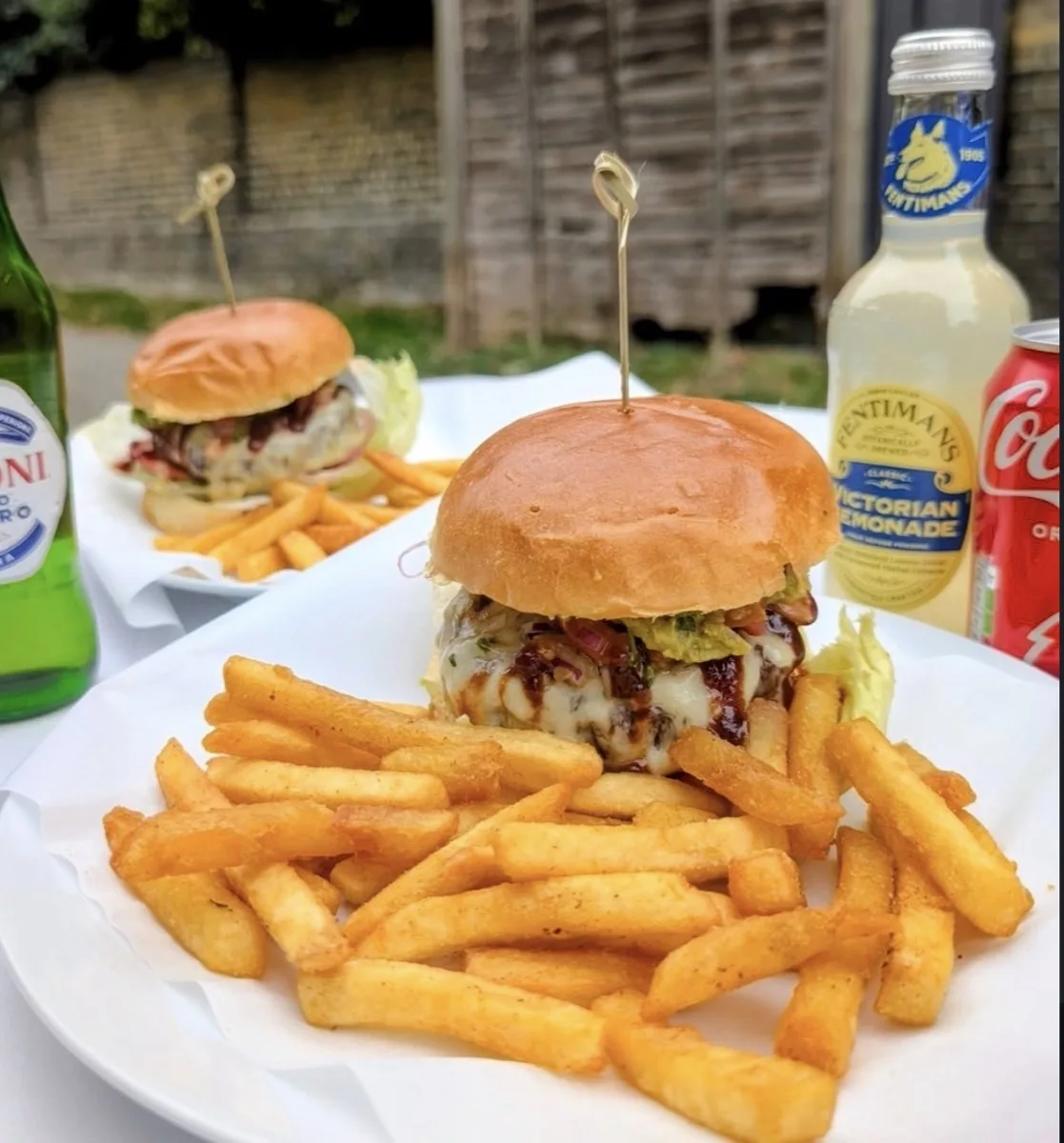
Lunch · Weekend
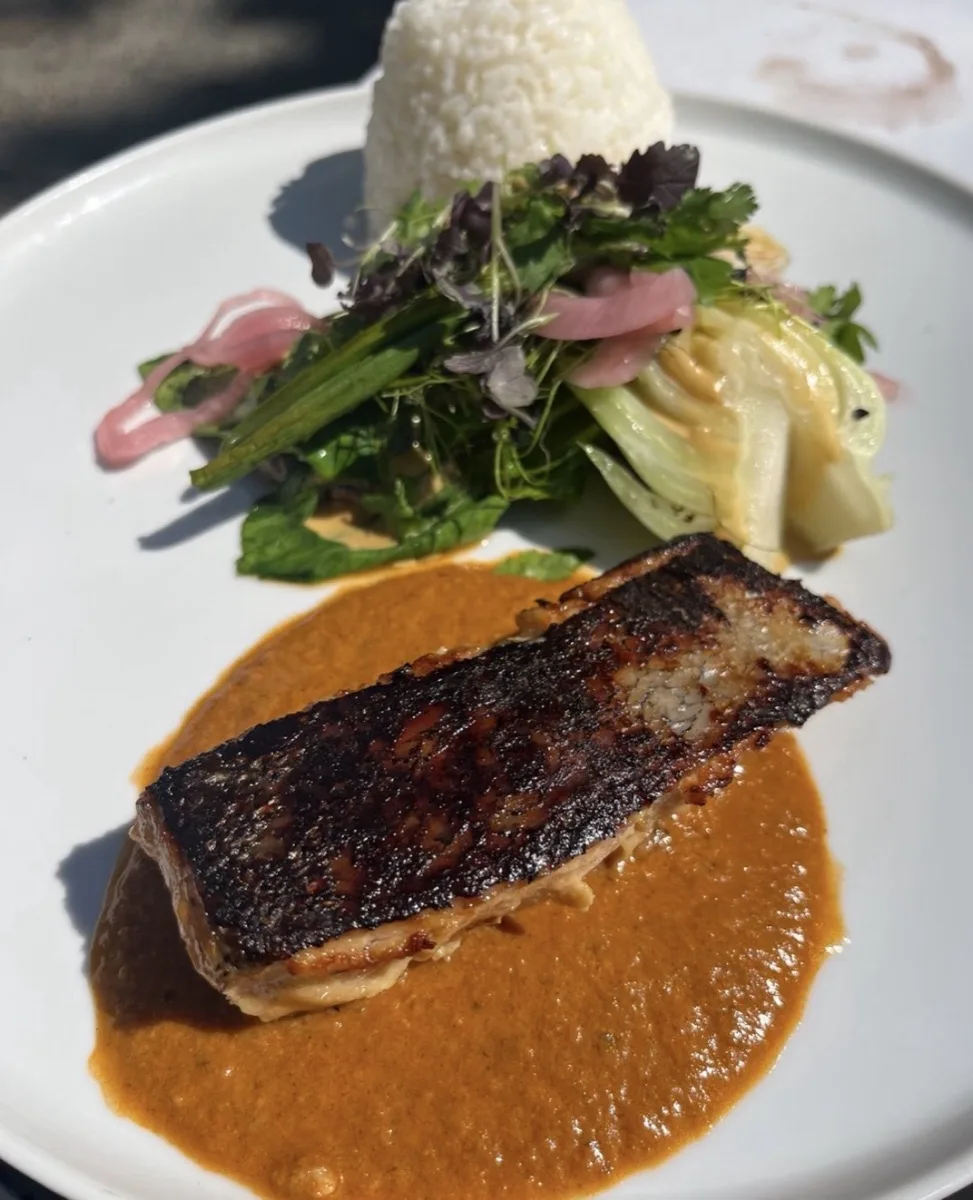
Specials
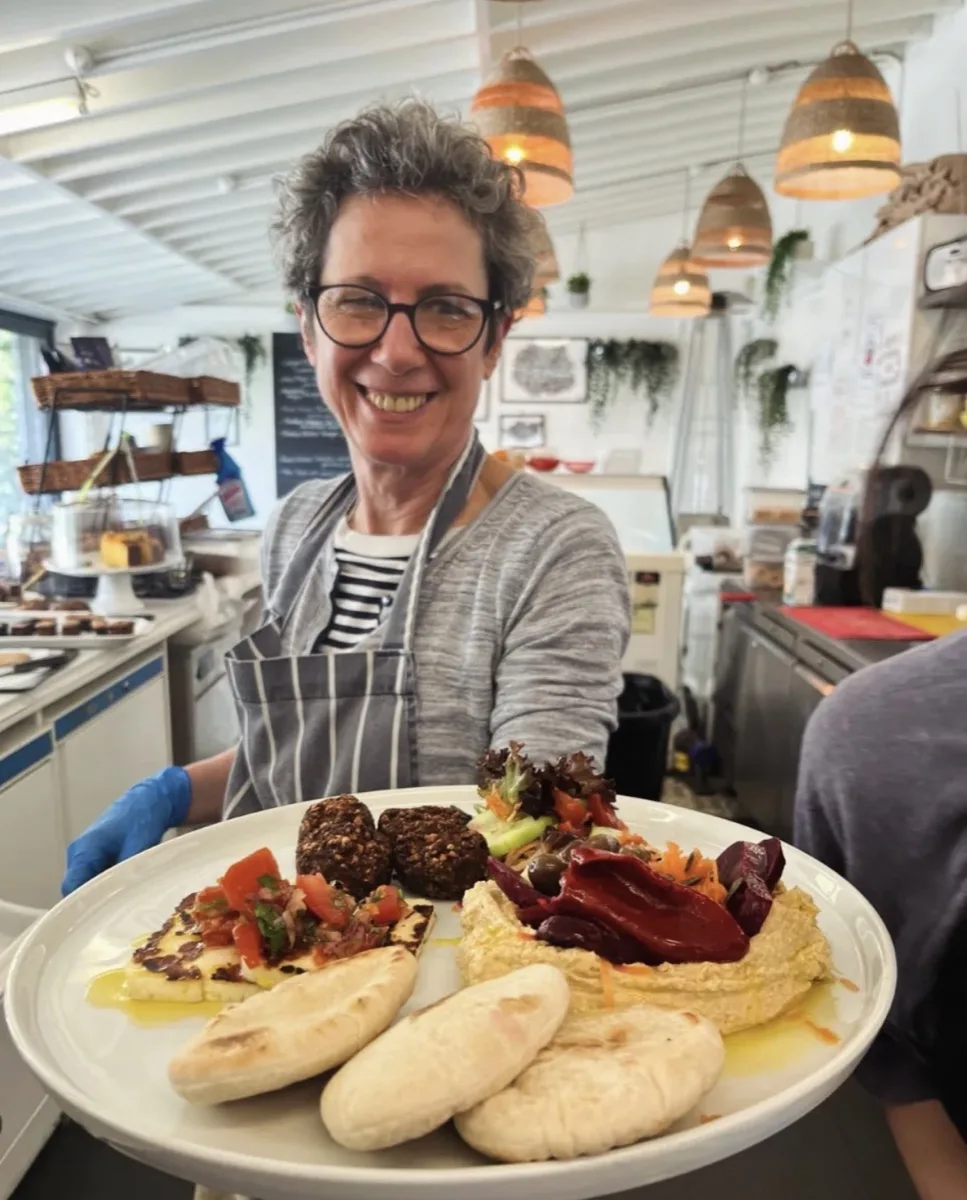
Lunch · Sharing

Lunch

Friday Pizza Night
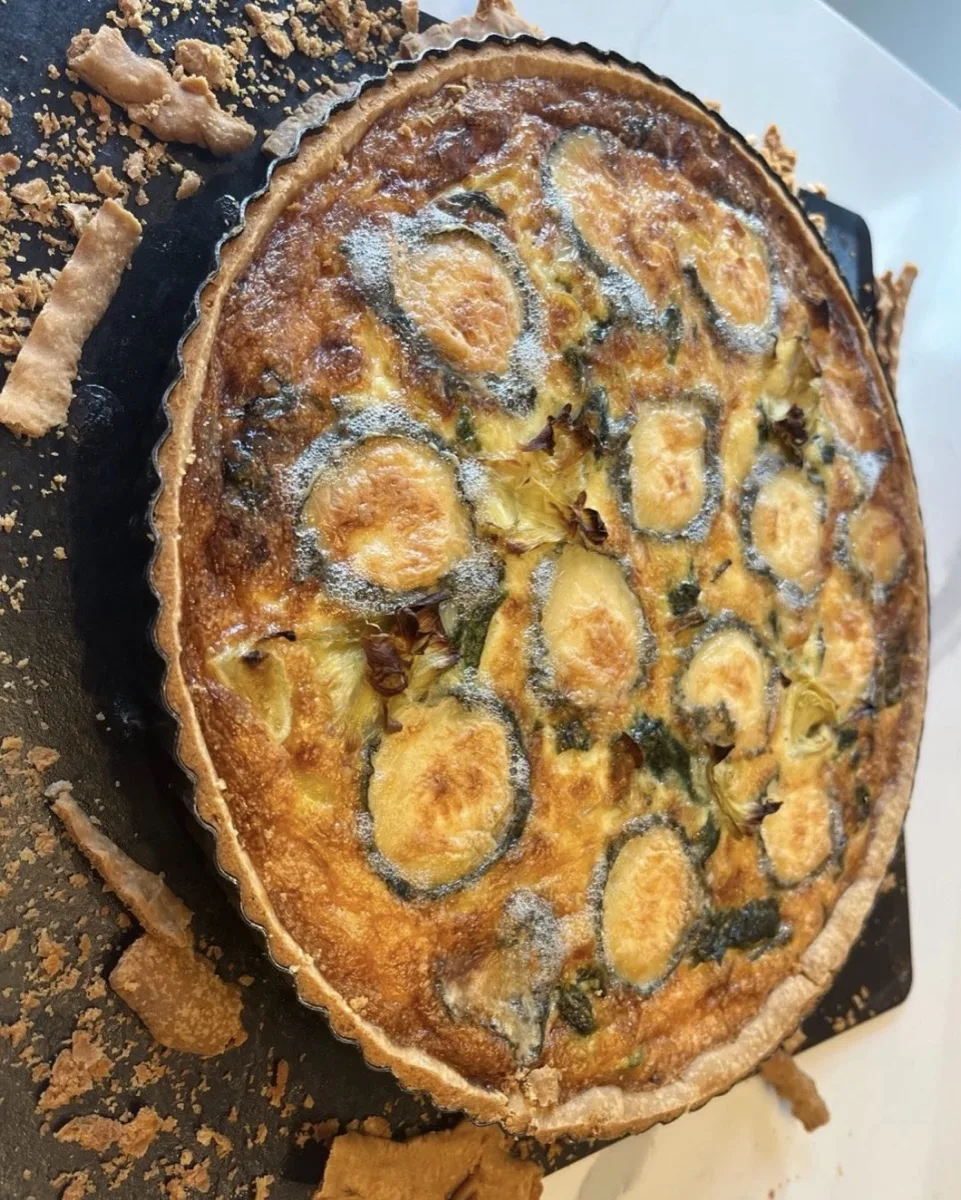
Baked · Lunch
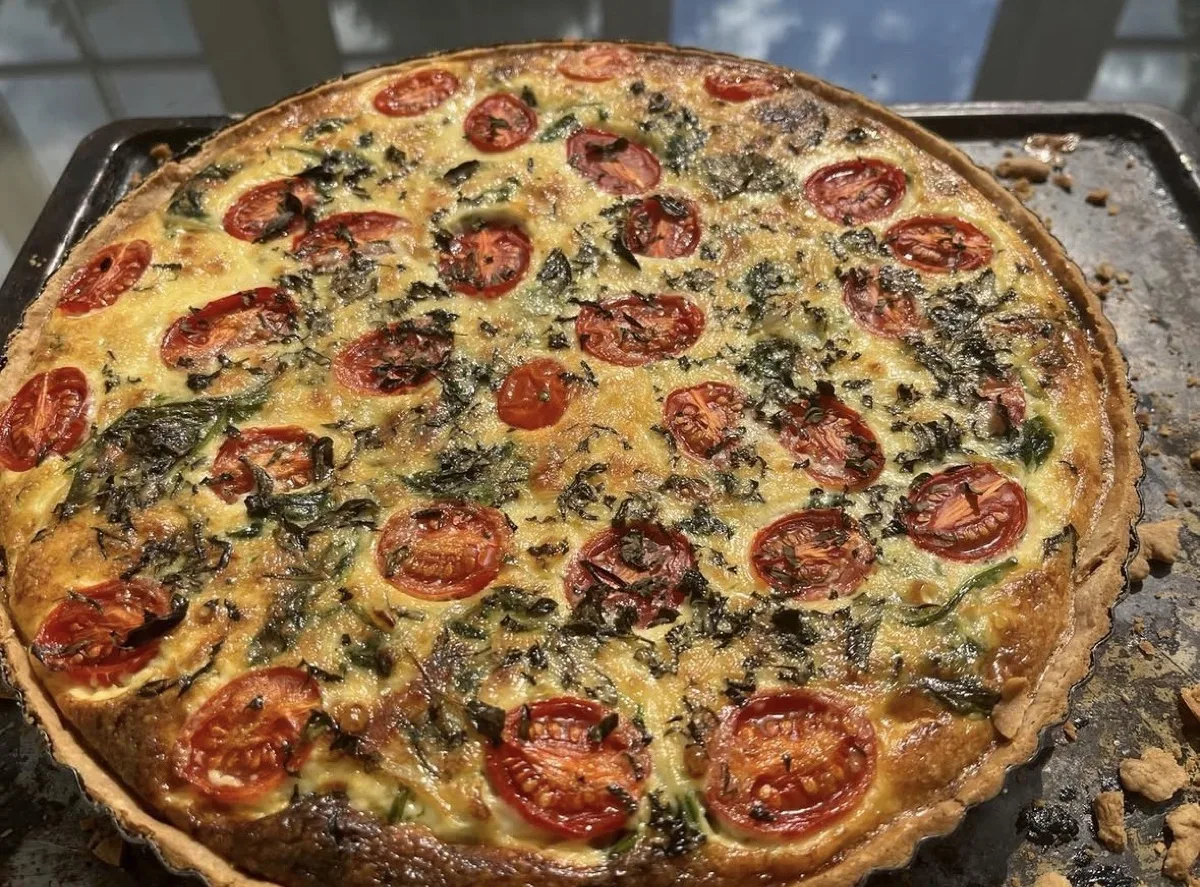
Baked · Lunch

Baked · from £3.50

Baked · Signature
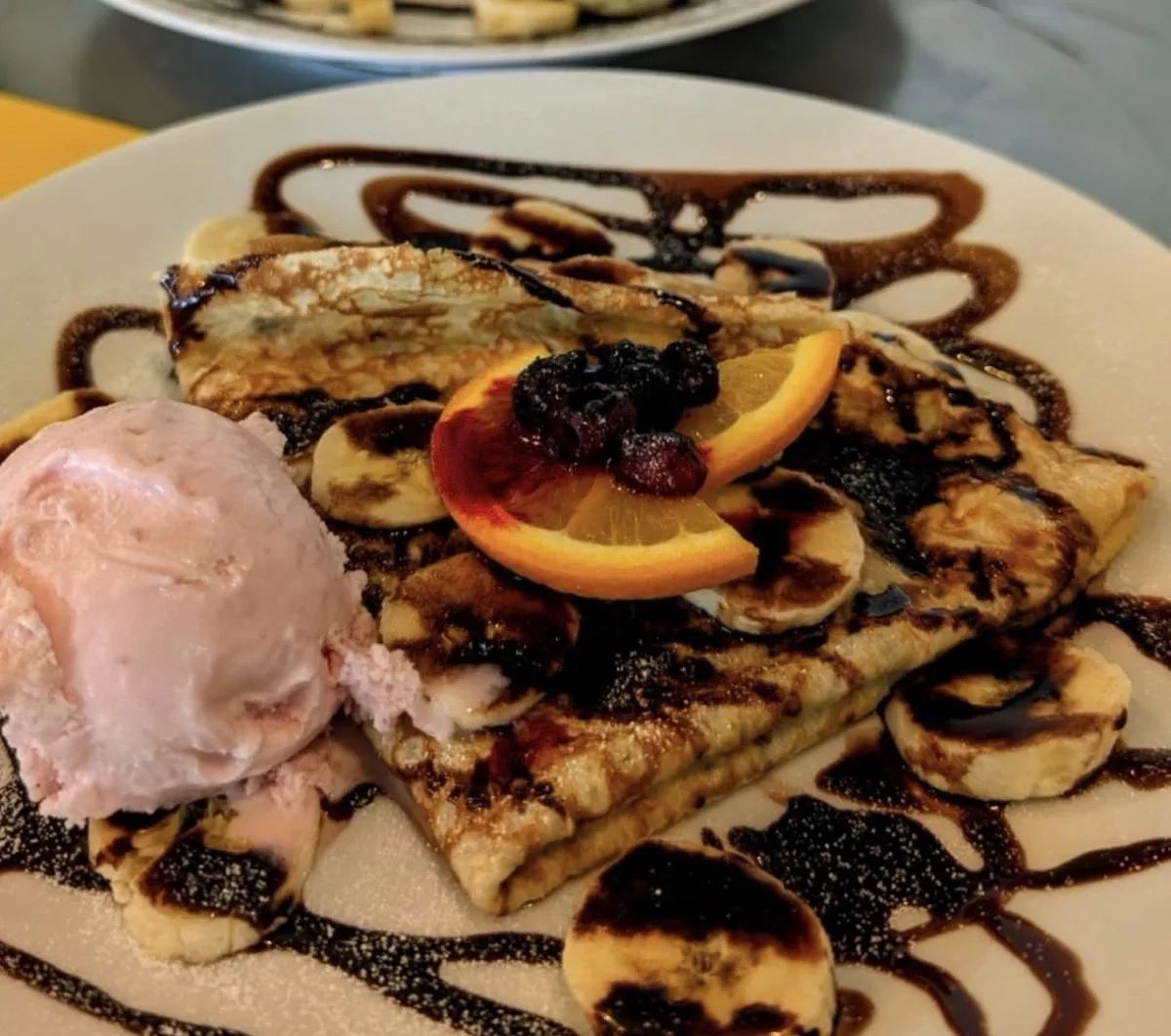
Dessert
Hours may vary on bank holidays.
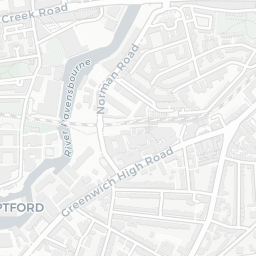
East Greenwich Pleasaunce
Chevening Rd, London SE10 0LB
Find us on Facebook & Instagram — just search “Pistachios in the Park”.
Get Directions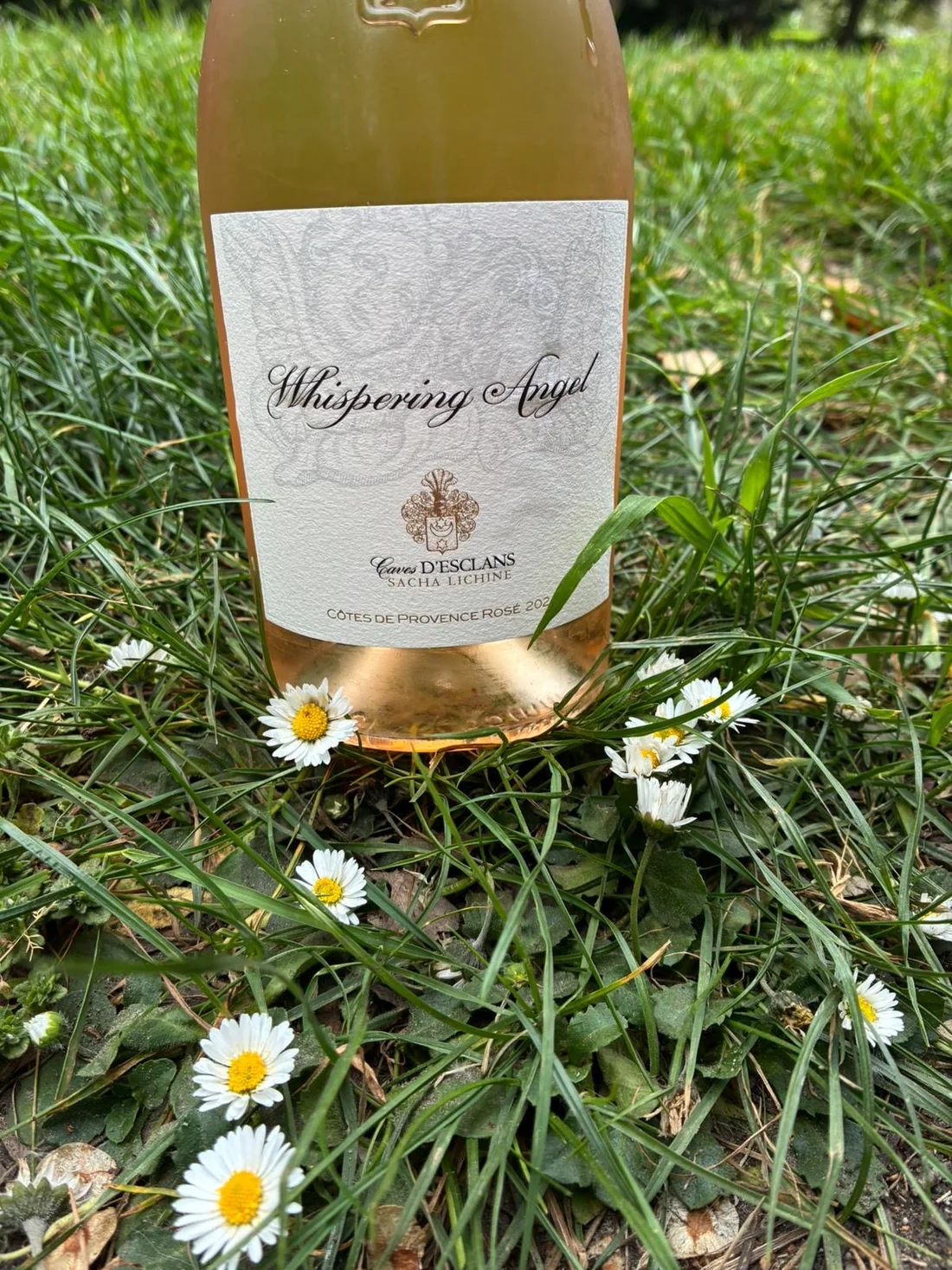
Friday & Weekend Evenings
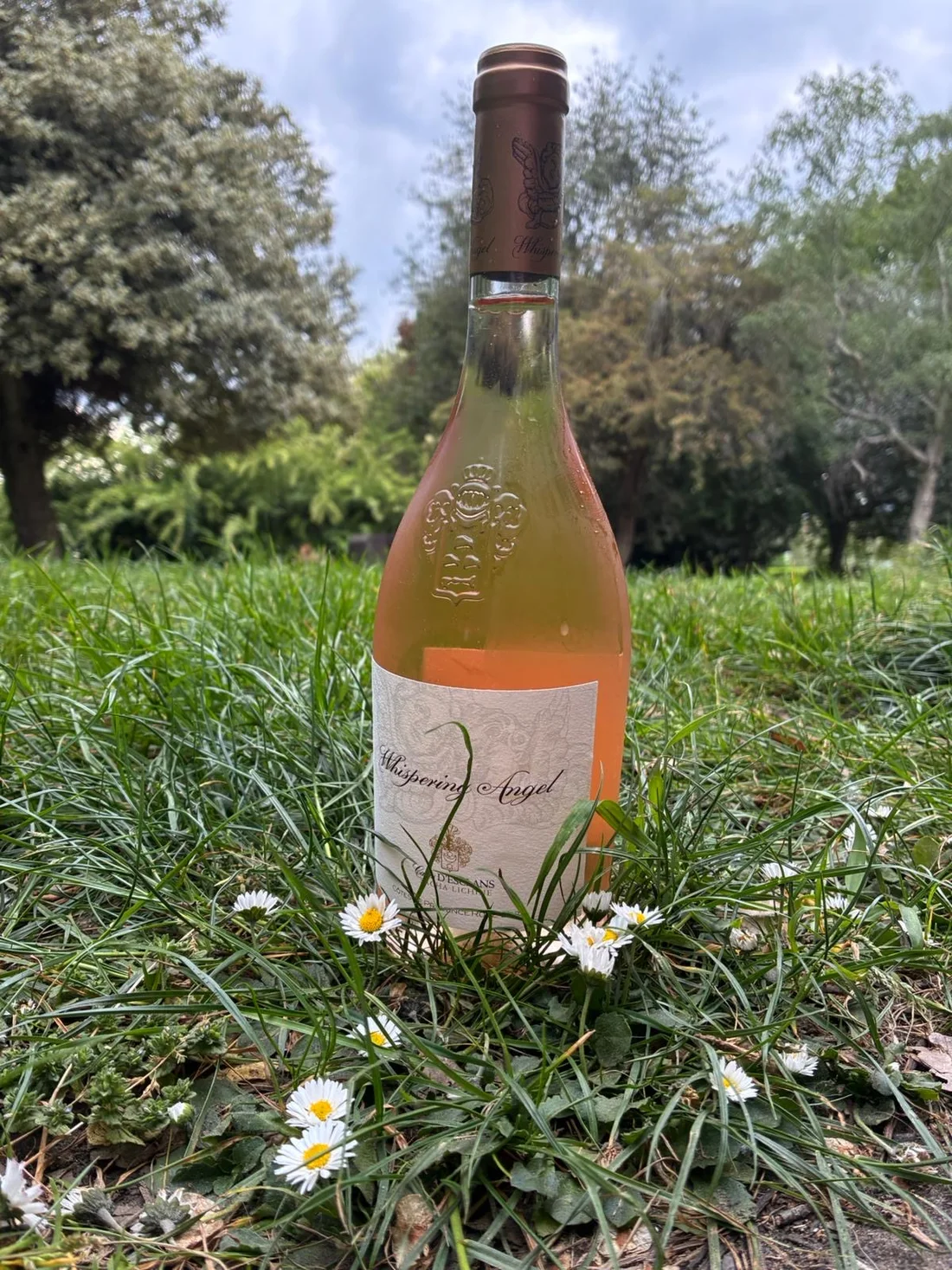
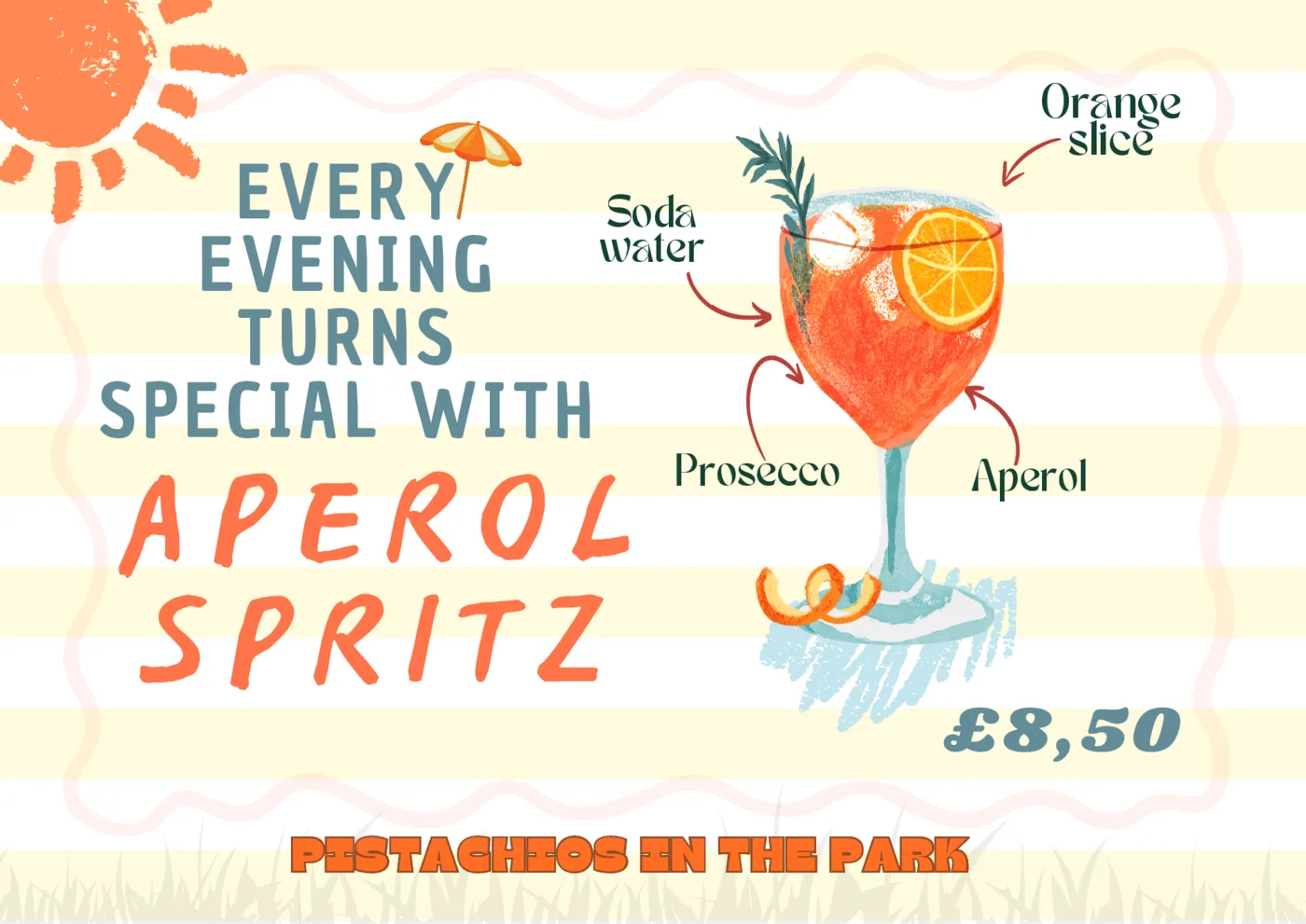
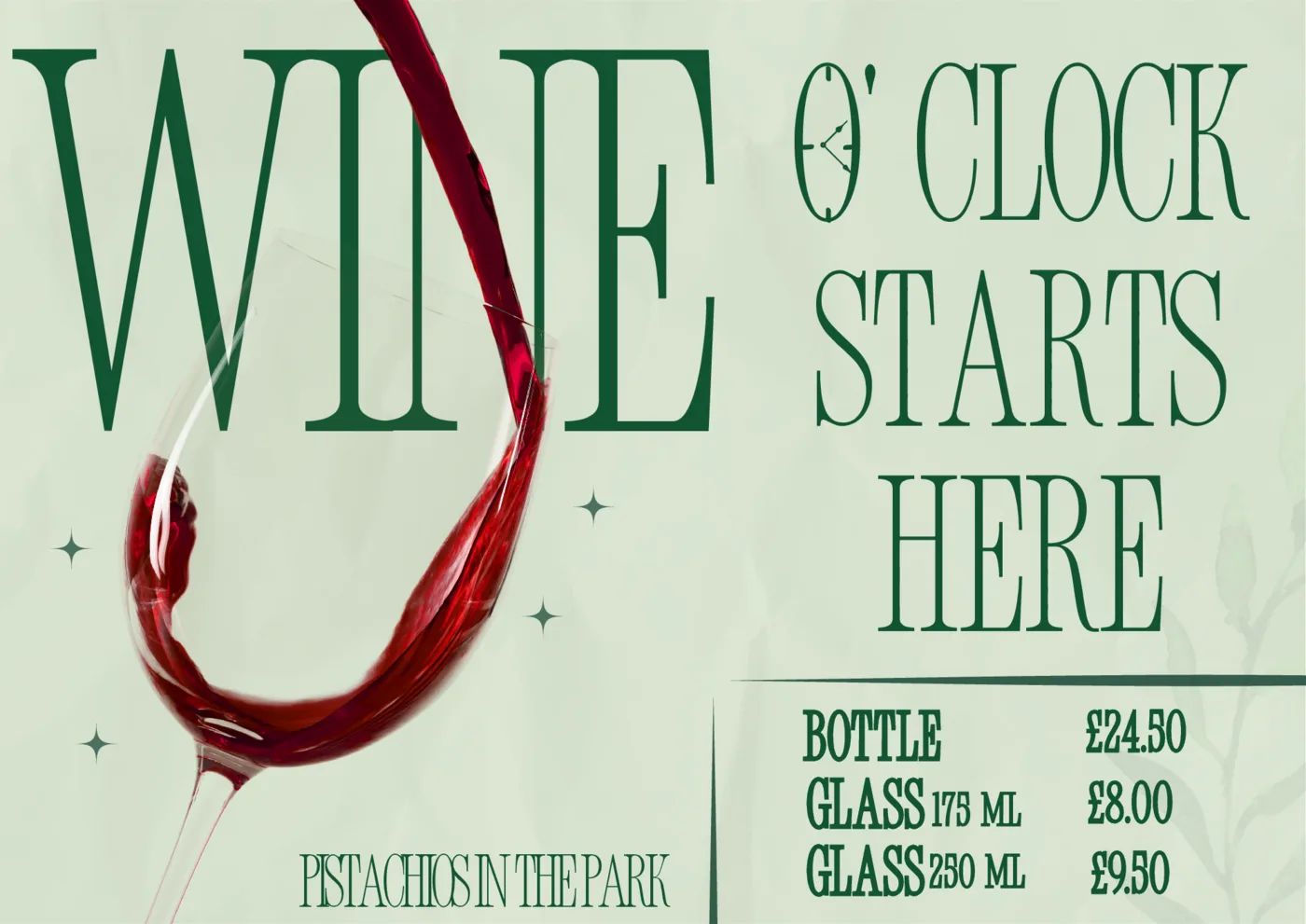
When the sun drops behind the walled garden, the Pleasaunce terrace becomes the place for something cold, crisp and easy to love. Spritz, sparkling pours and a new delicate rosé made for slow park evenings.
New arrival
A delicate Côtes de Provence rosé, soft on the palate and beautifully refreshing.
Bottle £24.50 · 175ml £8.00 · 250ml £9.50
Terrace classic
Aperol, prosecco, soda water and orange, served bright and chilled.
Every evening · £8.50
Best paired with Friday Pizza Night →
Reserve your tableA window to the maritime past
Today, East Greenwich Pleasaunce is a peaceful green space at the heart of the local community. It's a place where children play, dogs are walked, friends meet and families relax beneath the trees. And, of course, today you can stop at Pistachios in the Park for a coffee or something to eat while enjoying the surroundings.
But look a little more closely at the gravestones and memorials dotted among the trees and you'll discover an extraordinary story. East Greenwich Pleasaunce was once a Royal Naval cemetery — and beneath the park lie the remains of thousands of sailors and naval pensioners.
The Royal Borough of Greenwich has described the cemetery as a “window to the maritime past.”
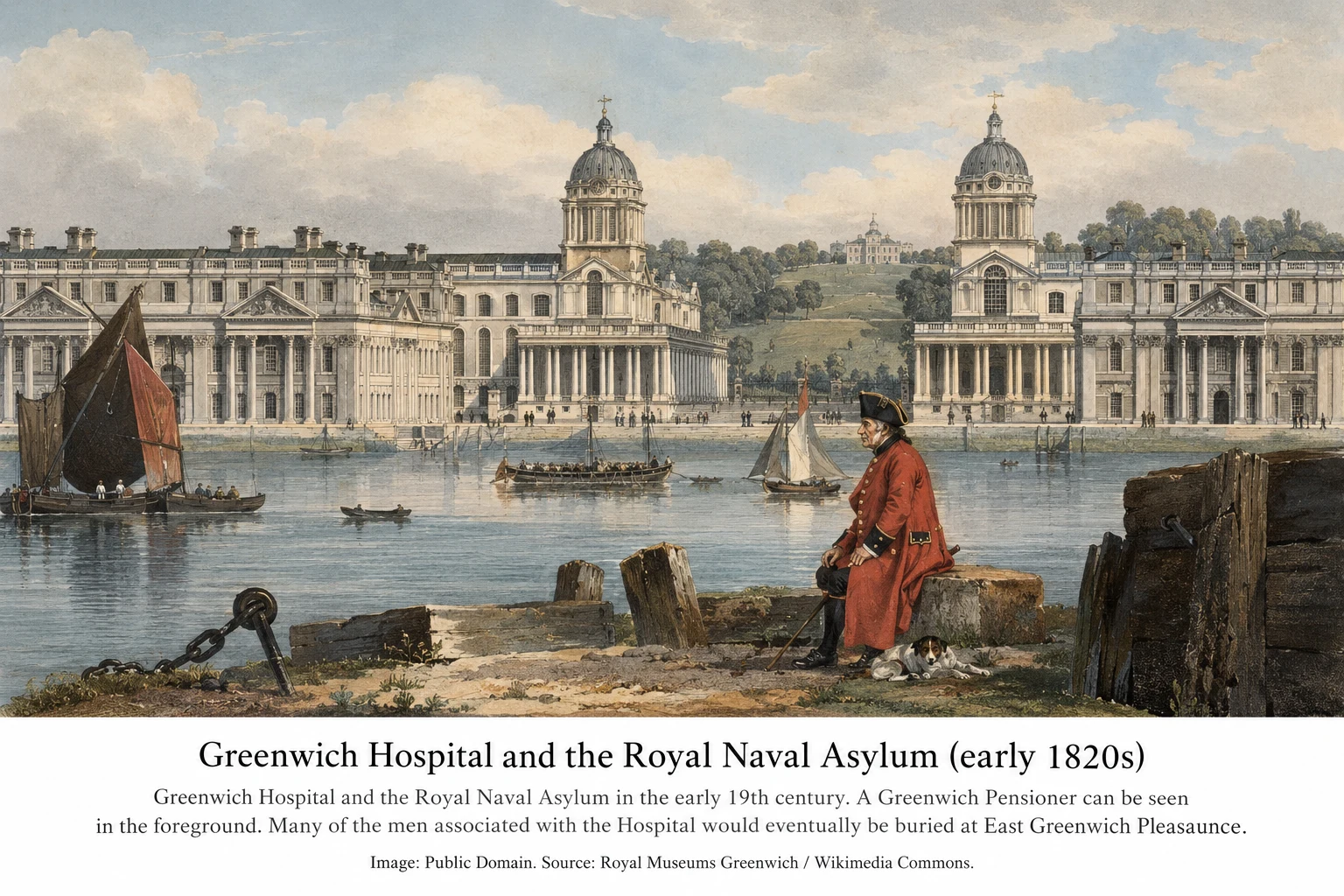
In the middle of the nineteenth century, this peaceful corner of East Greenwich looked very different. Much of the land was being used as an orchard.
At the same time, the burial grounds associated with the Royal Hospital at Greenwich were running out of space. The Hospital had been established as a home for elderly, injured and disabled seamen, many of whom spent their final years in Greenwich. A new burial ground was needed.
In 1857, land at East Greenwich was acquired and opened as a new cemetery for Greenwich Hospital. The quiet park we know today had begun a very different chapter in its history.
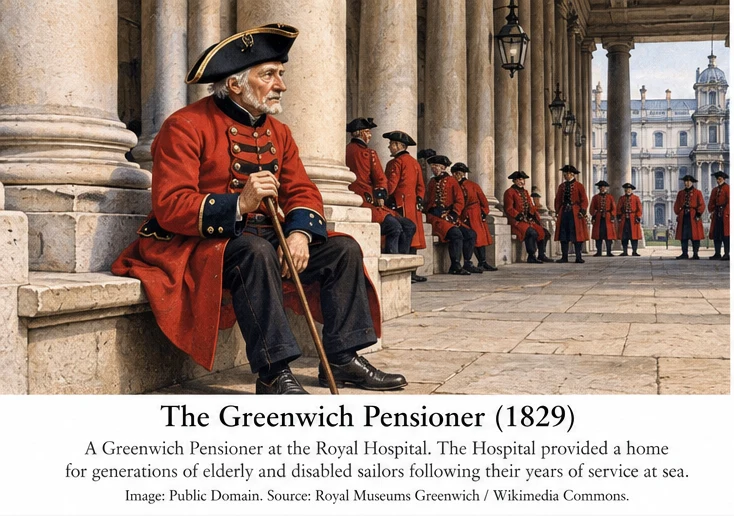
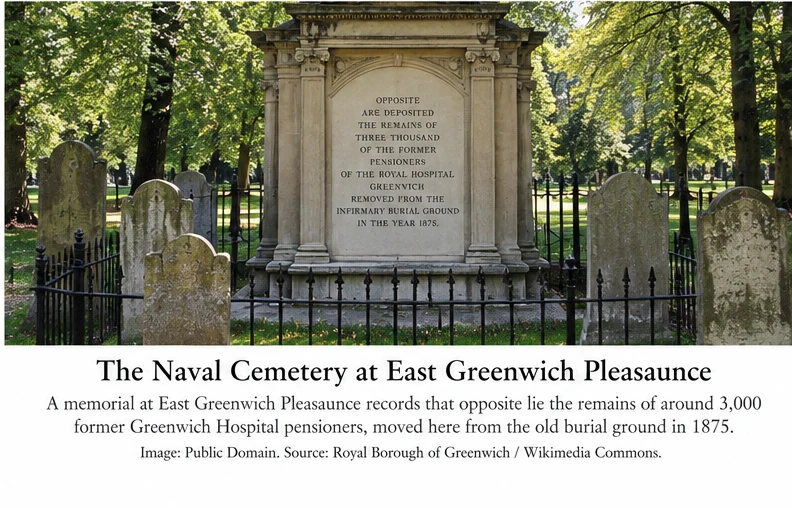
Then came an extraordinary event. In 1875, development in central Greenwich affected the old burial ground associated with Greenwich Hospital. Around 3,000 former Greenwich Hospital pensioners were exhumed and reinterred at the cemetery in East Greenwich.
A memorial in the Pleasaunce still records their reburial. It means that many of the sailors resting beneath the park today were actually buried twice — first elsewhere in Greenwich and then again here.
These weren't simply anonymous remains. They represented generations of men who had served at sea during some of the most important periods in Britain's maritime history.
The story didn't end in 1875. In 1925, further human remains were discovered during building work on the former Greenwich Hospital site. Greenwich Council's historical account records the remarkable discovery of 1,247 skulls and 58 boxes of bones. They too were taken to East Greenwich Pleasaunce for reburial.
It gives some idea of just how historically significant the ground beneath today's park really is. This isn't simply a park containing a few old gravestones. It is one of Greenwich's surviving links with generations of Royal Navy sailors and naval pensioners.
Walk around the Pleasaunce today and the surviving gravestones provide glimpses into individual lives. Men associated with conflicts including the Battle of Trafalgar and the Crimean War are connected with the cemetery.
Among those recorded is James Shepherd, who served for eighteen years as Queen Victoria's boatswain's mate aboard the Royal Yacht Victoria and Albert. Lieutenant James Berry, who died in 1930, had served for seventeen years as curator of the Royal Naval Museum.
Even the layout of the cemetery reflected naval hierarchy. Historical descriptions record the western plot as being associated with the lower ranks while the eastern plot was reserved for officers. Naval tradition, it seems, continued even in death.
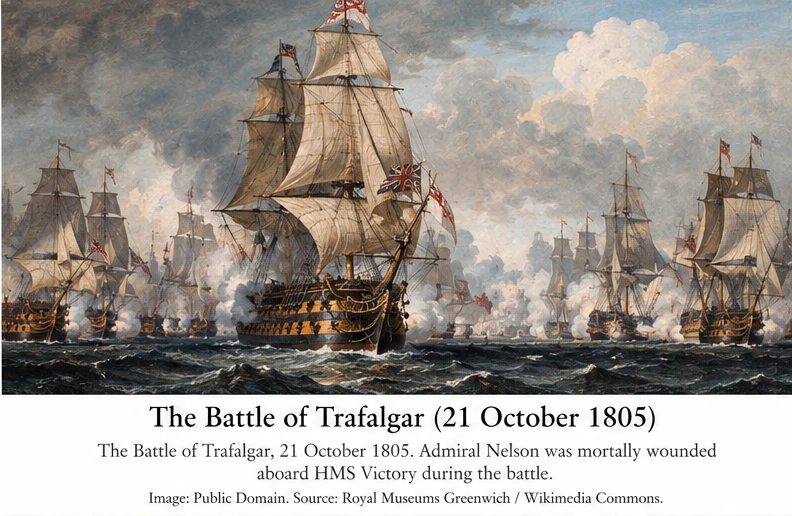
Perhaps the most fascinating story associated with the cemetery takes us back to 21 October 1805 and one of the most famous naval battles in history: the Battle of Trafalgar.
Vice-Admiral Horatio Nelson was aboard his flagship, HMS Victory, when he was struck by a musket ball believed to have been fired by a French marksman positioned high in the rigging of the French ship Redoutable. Nelson was carried below deck and died several hours later.
But another young man was aboard Victory that day. His name was John Pollard. He was just 18 years old.
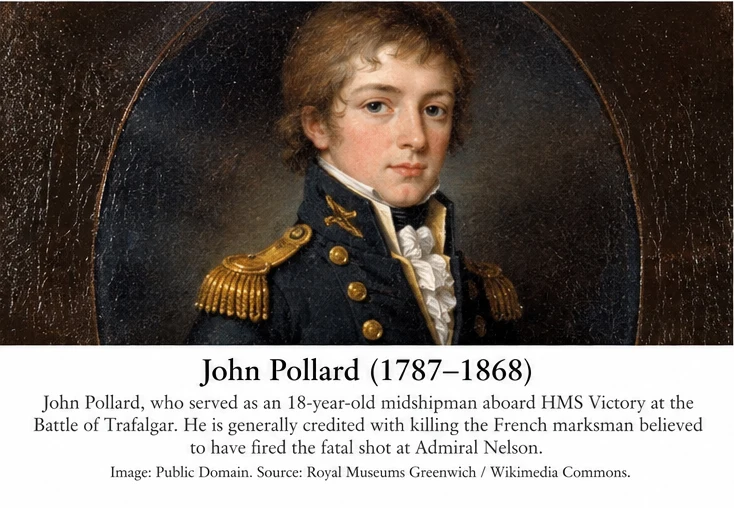
Pollard was a midshipman aboard HMS Victory and was on the quarterdeck during the battle. Following Nelson's shooting, Pollard fired towards the French marksmen positioned in the rigging of Redoutable. He subsequently became generally credited with killing the marksman believed to have fired the fatal shot at Nelson.
The precise circumstances have been debated by historians, so the story needs a little caution. But Pollard's presence aboard Victory and his role in firing upon the French marksmen are part of the historical record.
Pollard survived Trafalgar and continued his career in the Royal Navy. His life eventually brought him to Greenwich. He became a Lieutenant of Greenwich Hospital and later an honorary retired commander. John Pollard died at Greenwich Hospital on 22 April 1868, aged 80. Historical biographical records state that he was buried in the Hospital Cemetery.
By then, the Greenwich Hospital cemetery at East Greenwich had been open for more than a decade. His precise resting place is less certain today, so we wouldn't point to a particular grave in the Pleasaunce and claim it belongs to Pollard. But the historical connection is fascinating — a man generally credited with shooting the marksman who killed Admiral Nelson appears to have ended his story here in Greenwich, connected with the very cemetery that became East Greenwich Pleasaunce.
Another transformation came in 1926. The former burial ground was acquired by the Metropolitan Borough of Greenwich and began its transformation into the public park we recognise today. Railings surrounding individual graves were removed, landscaping was introduced and the name East Greenwich Pleasaunce came into use.
But the cemetery wasn't erased. The gravestones and memorials remained among the trees. And remarkably, burials didn't completely stop. When the land became a public park, the Admiralty retained burial rights. The last burial at East Greenwich Pleasaunce took place as recently as 1981.
Over the decades, the trees matured, paths developed and East Greenwich Pleasaunce gradually became the community park generations of local people have come to know. Children came to play here. Families met here. People walked beneath the trees.
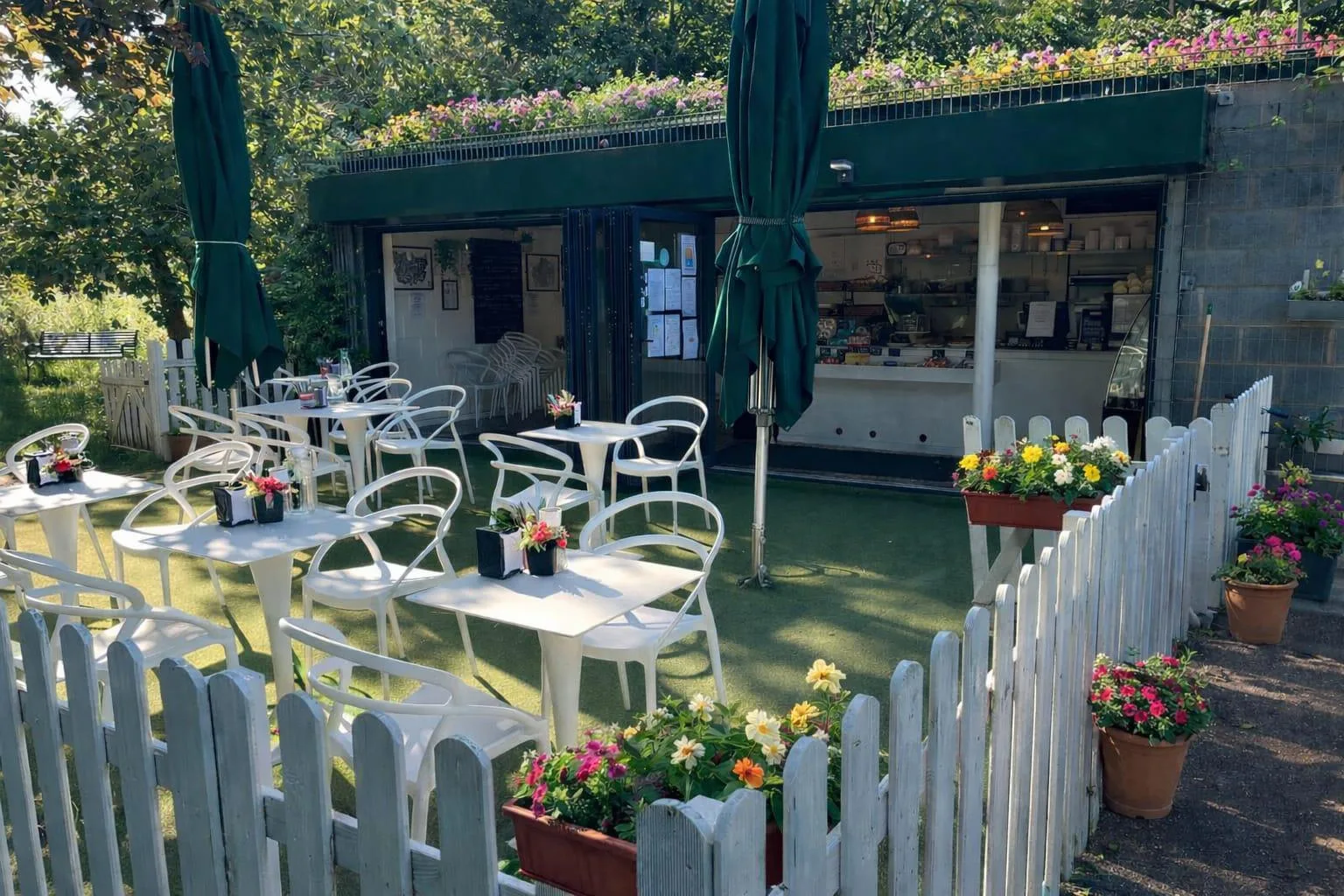
And eventually another chapter in the Pleasaunce's story began. In 2009, an environmentally sustainable café building was constructed in the northern part of the park, together with public toilets. Today that building is home to Pistachios in the Park.
And perhaps that combination is what makes East Greenwich Pleasaunce such an unusual and special place. It's somewhere to meet friends. Somewhere for children to play. Somewhere to walk beneath the trees. Somewhere to sit with a coffee. But it's also somewhere to remember.
Beneath those same trees lie thousands of people connected with Britain's maritime past — sailors and naval pensioners whose lives stretch back through Greenwich Hospital, the Royal Navy and some of the defining moments of British naval history.
So next time you visit us at Pistachios in the Park, take a few minutes to wander through the Pleasaunce. Look at the old stones. Look at the memorials. And remember some of the people whose stories lie beneath your feet.
Because East Greenwich Pleasaunce isn't simply a beautiful local park. It's a remarkable piece of Greenwich's maritime history — hiding in plain sight.
Your local café in the park — good coffee, homemade food, and a community that feels like home. London.
© 2025 Pistachios in the Park. Trading as Yum Yummy Ltd. All rights reserved.
"Your local café in the park"
Part of the parks. Part of the community.